
The soil and cultivars
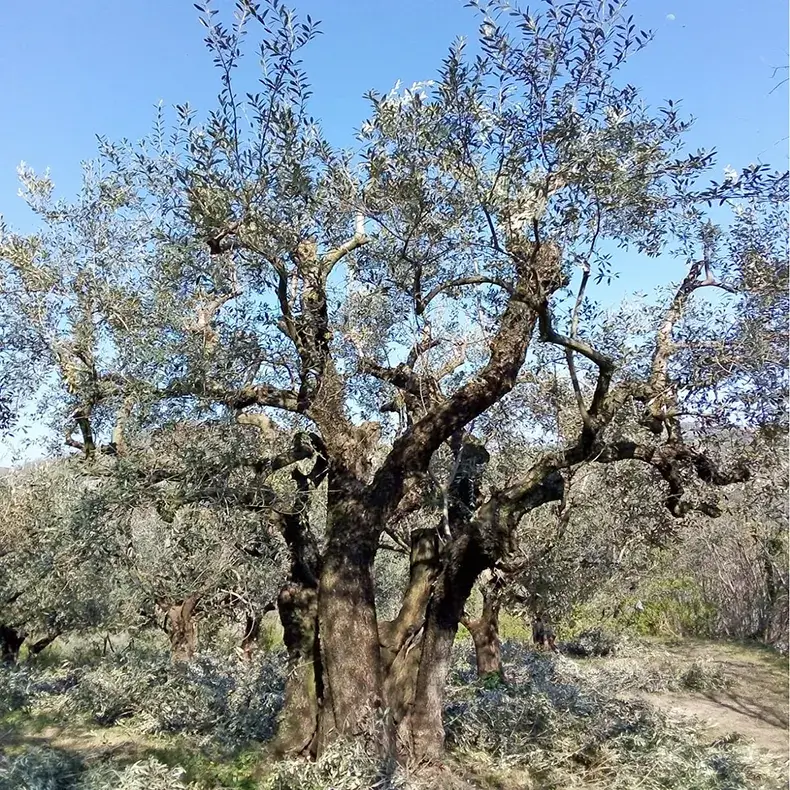
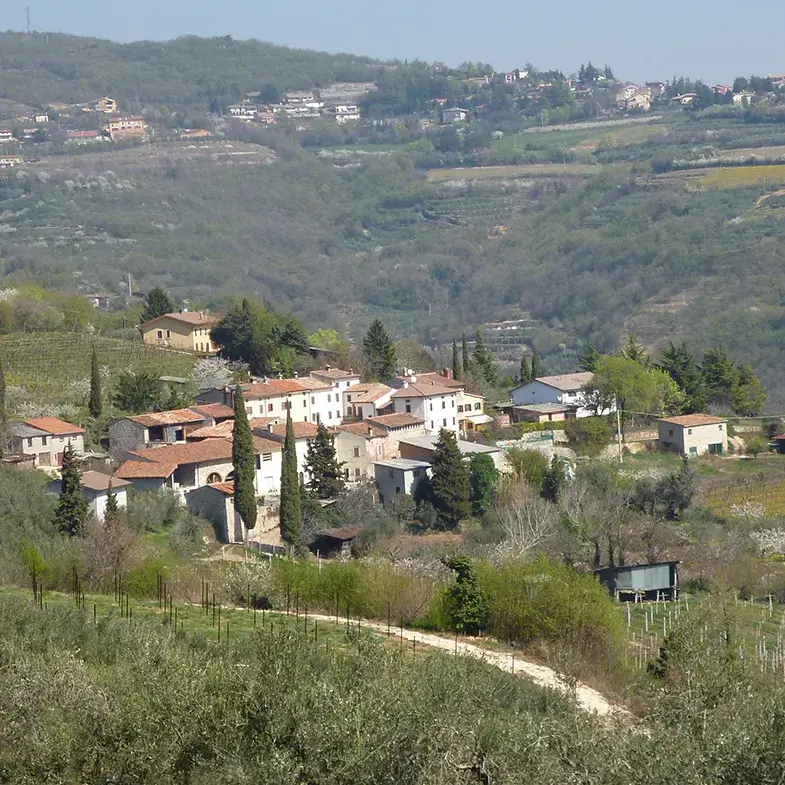
Far from any contamination or industrial influence, our olive trees have been happily growing for over 160 years on hills with soils rich in springs, 300 metres above sea level.
Facing east to greet the rising morning sun, they enjoy all the characteristics necessary to produce extra virgin olive oils of excellent fragrance and quality.
The soil on which the olive groves of our farm stand is calcareous, with a clayey-loam texture and a good presence of stones and rocks; together with the eastern exposure, these characteristics constitute an optimal situation for obtaining an excellent product.
It is estimated that the oldest trees were planted around the mid-1800s, while the others cover a time span from the end of World War II to the early 2000s, such as the latest cultivar introduced: the Leccio del Corno.
The cultivars of our extra virgin olive oils
‘Cultivar’ is the term used in agronomy to indicate the variety of a certain cultivated plant, in our case the olive tree. Each cultivar has specific characteristics of sensitivity to environmental agents, yields and flavours and smells that are further enriched with nuances by soil type and sun exposure.
Selecting the best balance of these factors and deciding how to blend or not to blend the oil obtained from each cultivar is what somewhat shapes the personality of a mill.
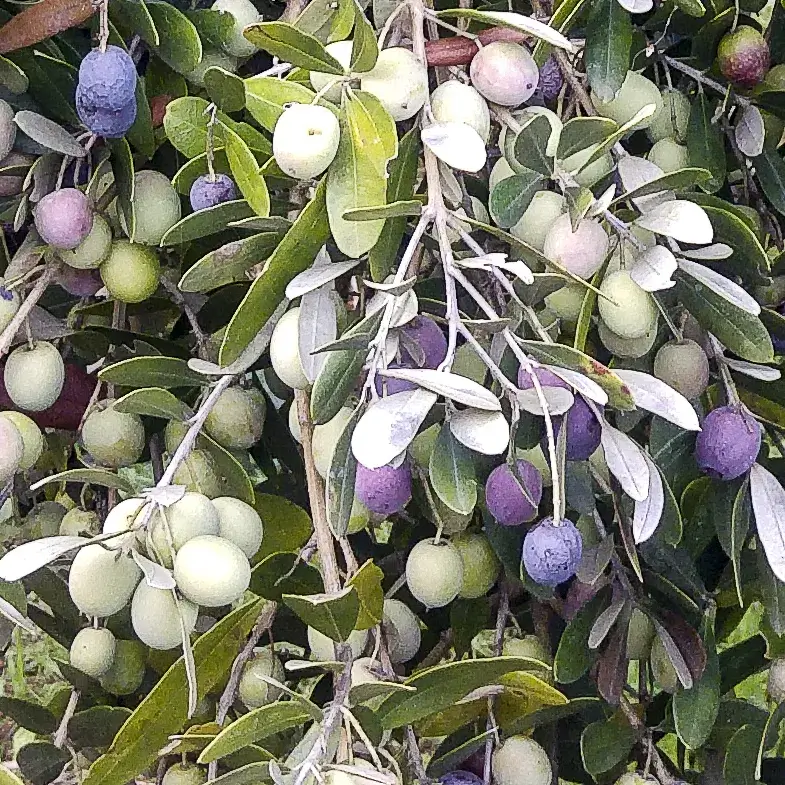
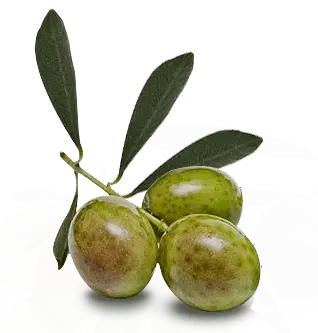
Gentile
A cultivar originally from Molise, subject to the phenomenon of alternation. Very easy pulp-stone detachment. The oil extracted presents vegetal scents of green olives with a good balance of sweet and bitter-spicy notes.
Casaliva
This cultivar is native to Lombardy and Veneto and is generally the oil type produced on Lake Garda. A vigorous plant with high and constant productivity whose oil is light and fragrant.
Coratina
A cultivar characterised by alternating production and late ripening. The oil produced is yellow-green in colour with an intense and fruity flavour, slightly bitter and typically spicy due to the high concentration of polyphenols.