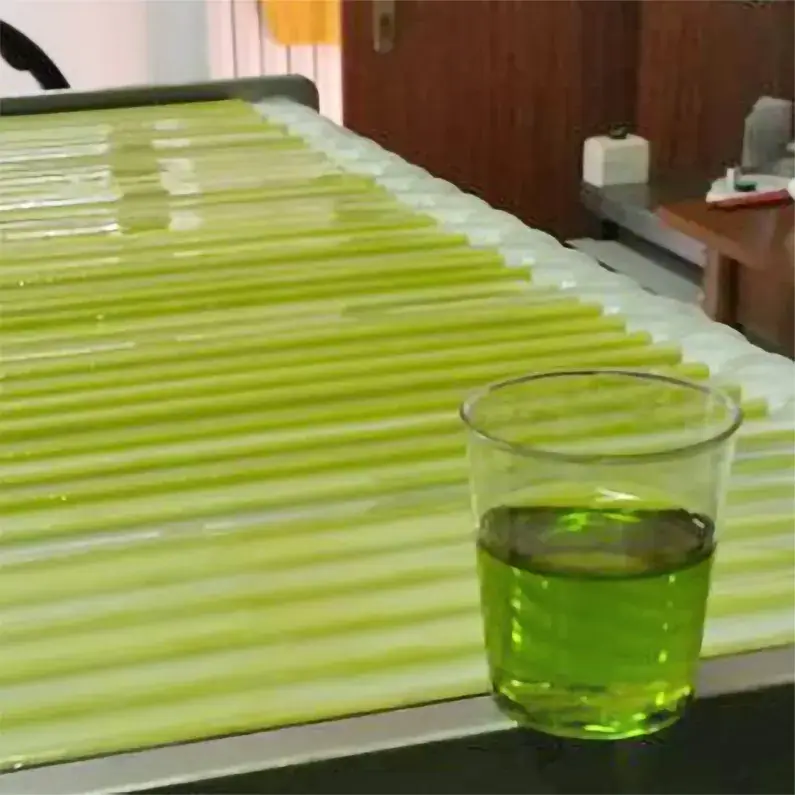
The production cycle
We inevitably chose to carry out directly all the operations of the production cycle, from the olive harvest to the bottle that you open on your table. Only with complete control of the timing is the preservation of all organoleptic qualities guaranteed.
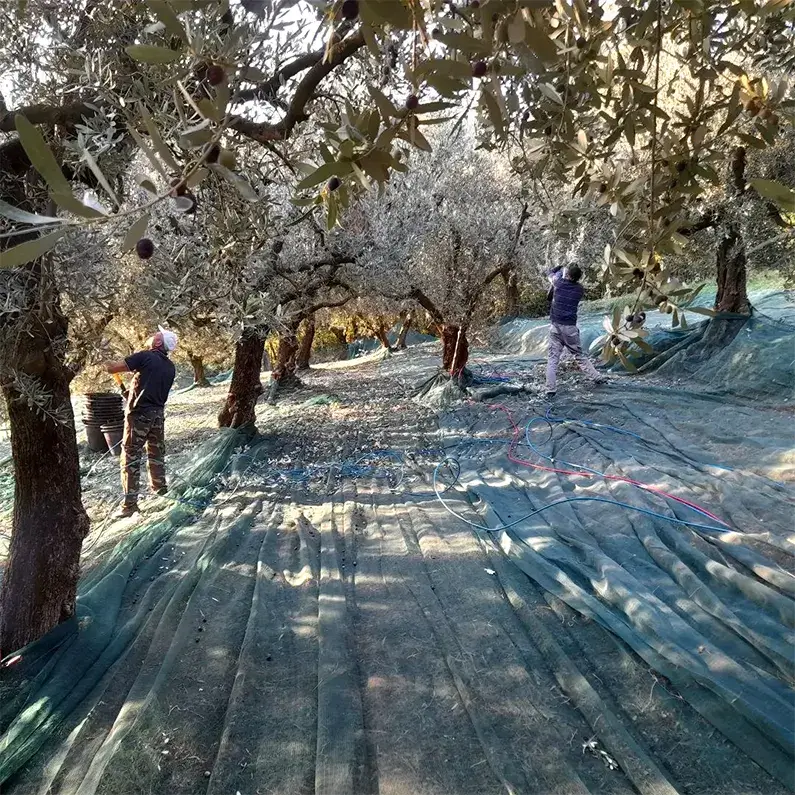
This type of harvesting guarantees the high quality of our olives.
The extraction of the oil takes place within a few hours of harvesting using machinery that performs continuous cycle processing. This ensures excellent quality while preserving all the organoleptic properties, yet at the expense of a higher yield.
This process takes place in several stages:
Cleaning
A special machine receives the olives, which are defoliated, washed and transferred to the crusher. The whole process takes place in a gentle manner to bring the fruit intact to the next processing stage.
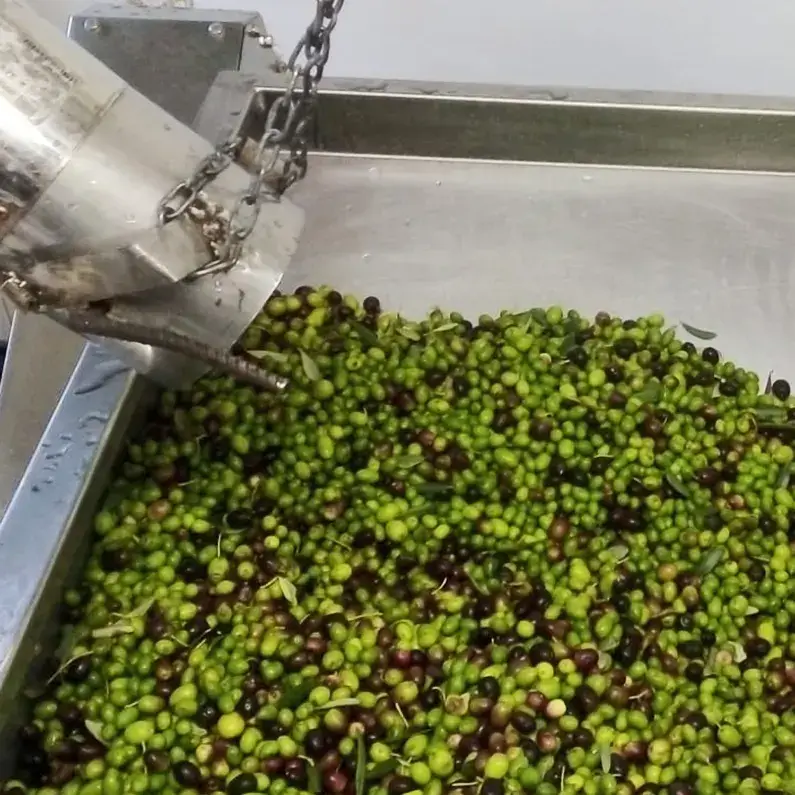
Crushing
The stainless-steel crushers process the olives at low revolutions, without heating the paste and in the absence of light. In this way, we obtain a paste that preserves all the qualitative and nutritional characteristics of the olives, with maximum hygiene.
Kneading
In this phase, the olive paste is slowly stirred for about 15-20 minutes in a stainless steel tank protected from light and air, in a strictly controlled the temperature always below the 27 °C required by the cold-processing regulations. This step drives the oil cells to release the oil they contain.
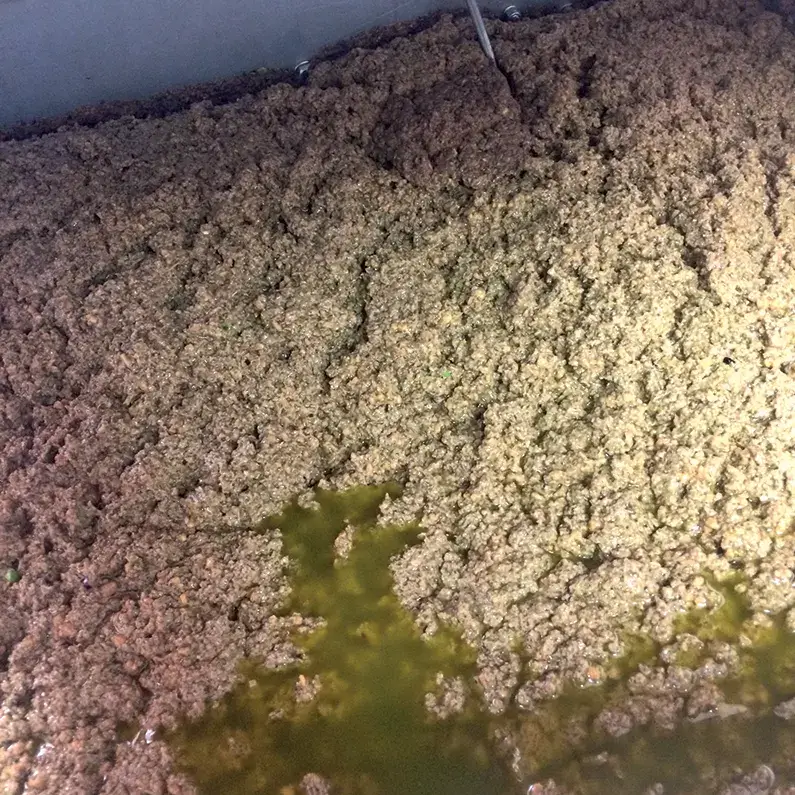
cold Extraction
The paste passes through a ‘decanter’, a machine that, thanks to centrifugal force, separates the actual oil from the water naturally contained in the olives and the solid parts like pulp and stones.
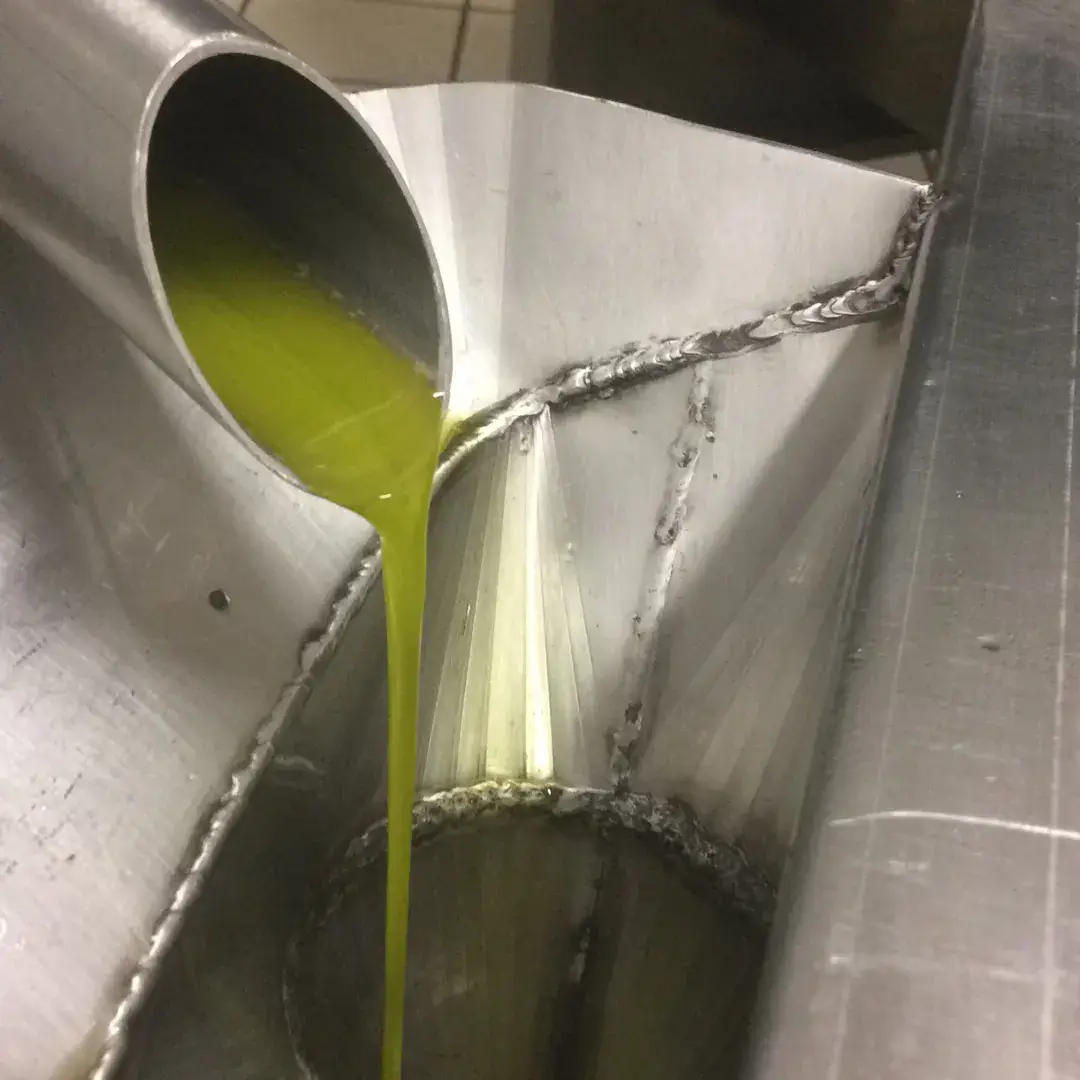
Filtration and controlled storage
Filtration removes part of the dispersed water and some residual impurities, preventing deposits from forming over time. This step results in a more stable product without sacrificing colour, density and other important characteristics of the extra virgin oil. The oil is now ready to be stored in hermetic stainless-steel barrels at a controlled temperature while waiting to be bottled for retail sale.
The barrels are also connected to a nitrogen pressure system that ‘seals’ the extra virgin by blocking oxidation processes.